
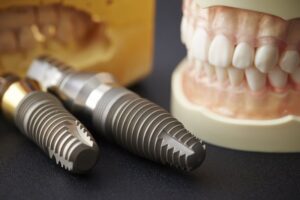
Dental implants are one of the most reliable ways to replace missing teeth, offering strength, stability, and a natural appearance. With proper care, they can last for decades, but their longevity depends heavily on your daily habits. Making a few smart lifestyle changes can go a long way in protecting your investment and keeping your smile healthy.
1. Commit to Excellent Oral Hygiene
Even though implants can’t get cavities, the surrounding gum tissue is still vulnerable to infection. One of the biggest threats to implant success is peri-implantitis, a condition similar to gum disease that can lead to bone loss and implant failure.
Brushing twice a day, flossing daily, and using tools like interdental brushes or water flossers can help keep the area around your implant clean. Regular dental checkups and professional cleanings are also essential for monitoring implant health and catching early signs of trouble.
2. Quit Smoking or Tobacco Use
Smoking is one of the most significant risk factors for implant failure. It restricts blood flow, slows healing, and increases the likelihood of infection.
Tobacco use can also interfere with the process that allows the implant to fuse with your jawbone, known as osseointegration. Without proper integration, the implant may become loose or fail altogether.
If you’re considering implants—or already have them—quitting smoking is one of the most impactful steps you can take to improve long-term success.
3. Be Mindful of Your Diet and Habits
Your diet and daily habits can affect how long your implants last. Hard foods like ice, hard candy, or popcorn kernels can put excessive pressure on your implant and restoration, increasing the risk of damage.
Similarly, using your teeth to open packages or biting on non-food items like pens can cause unnecessary stress. Choosing a balanced diet rich in vitamins and minerals also supports healthy gums and bone, which are essential for implant stability.
4. Address Teeth Grinding and Clenching
If you grind or clench your teeth—a condition known as bruxism—your implants may be exposed to excessive force over time. This can lead to wear, loosening, or even damage to the restoration.
Many people aren’t aware they grind their teeth, especially at night. If your dentist suspects bruxism, they may recommend a custom nightguard to protect both your implants and natural teeth.
Managing stress and practicing relaxation techniques can also help reduce clenching during the day.
Dental implants are designed to be a long-term solution, but their success depends on more than just the procedure itself. Your daily habits play a major role in how well they hold up over time. By maintaining good oral hygiene, avoiding tobacco, making smart dietary choices, and addressing habits like teeth grinding, you can significantly extend the life of your implants.
About the Practice
Are you looking for a long-lasting solution to replace your missing teeth? Here at Riverside Dental Center, we have the answer you’re looking for with dental implants! Our dentists can handle the entire procedure start-to-finish under one roof – no referrals needed. When it comes to the personal side, we believe in building long-lasting relationships with our patients, and you’ll be no different should you choose us. Book your appointment online or give our Loves Park office a call at (815) 877-4300.