
Dental Implants Loves Park
Saying a Permanent Goodbye to Gaps
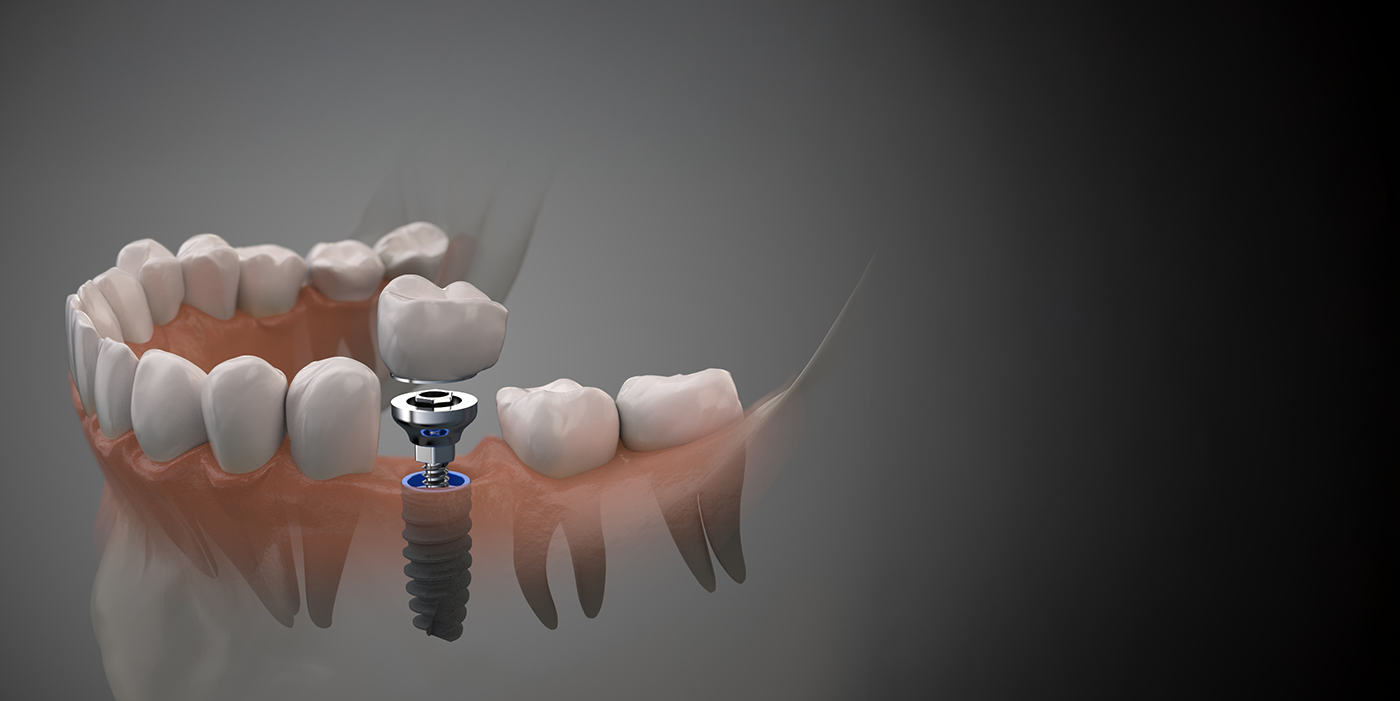
Capturing the attention of patients suffering from tooth loss, dental implants offer a more comprehensive restorative approach by replacing not only the crowns but also the roots of missing teeth. At Riverside Dental Center, Dr. Dimke provides in-house dental implant placement and restoration in Loves Park, so you can remain in one convenient location for the duration of your treatment. Our team is ready to help, so if you want to say goodbye to the gaps in your smile, call us to schedule a consultation today.
Why Choose Riverside Dental Center for Dental Implants?
- Dentists Provide Start-to-Finish Dental Implant Process
- Wisconsin Anesthesiologist Administers Anesthesia for Procedures
- Long-Lasting Relationships Built Between Dental Team & Patients
What are Dental Implants?
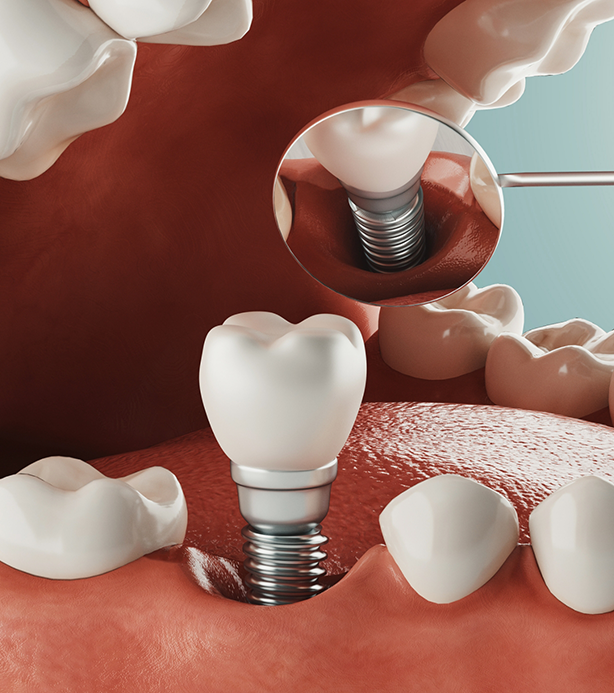
If you want to replace the roots and crowns of missing teeth, you can expect successful results with dental implants. As titanium posts that sit within the jawbone and fuse over time, they generate a solid foundation of support for a new crown, bridge, or denture.
Their ability to stimulate the jawbone produces a more youthful, lifelike appearance, and their strength and durability allow you to embrace a greater bite force, so maintaining a healthy diet is possible. With dental implants, you can prepare to enjoy your new smile for decades, which is significantly longer than the lifespan of dentures or dental bridges.
The 4-Step Dental Implant Process
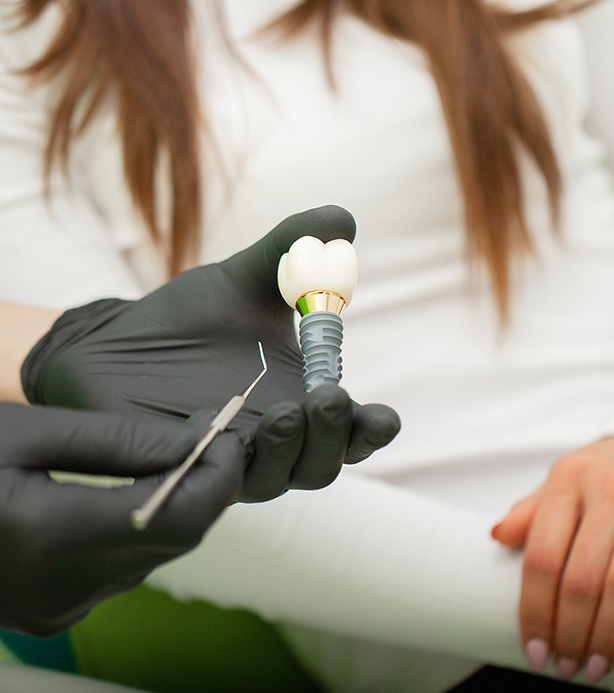
Rebuilding your smile with dental implants requires that Dr. Dimke follow a four-step process that includes the initial consultation, dental implant surgery, osseointegration and abutment, and placement of the final restoration.
- Initial Dental Implant Consultation – An initial meeting with Dr. Dimke will include a full examination of your oral and overall health, and analysis of your jawbone density. Based on his findings, you may be required to undergo additional forms of treatment to prepare your mouth for successful dental implant placement.
- Dental Implant Surgery – When cleared for dental implant surgery, you will remain in our Loves Park location so that Dr. Dimke, our implant dentist, can administer the procedure. His training and skills allow him to effectively place each post into its designated spot along the jawbone, ensuring optimal support for your new restoration.
- Dental Implant Osseointegration/Abutment – Once you return home from your surgery, you must follow the instructions provided to you by our team to ensure osseointegration is successful. Your implants will need to fuse with the jawbone to avoid potential failure in the future. At the end of this 4-6-month recovery, you will have metal abutments attached to the tops of your implants to help hold your new teeth in place.
- Delivery of Dental Implant Restoration(s) – The last step in the dental implant process is receiving your custom crown, bridge, or denture. Not only will it blend in with the rest of your teeth, but it will offer comfort and durability, so you can begin to enjoy life with a healthier, more attractive, and longer-lasting smile.
Benefits of Dental Implants

The fact that dental implants can restore a person’s smile (no matter how many teeth are missing) often attracts patients to this state-of-the-art solution. However, the benefits don’t end there! This smile-rebuilding option continues to be loved by patients and dentists alike because:
Day-to-Day Benefits

Good news: you won’t have to wait long to experience the benefits of dental implants in Loves Park! In fact, once you’re done healing, you’ll enjoy:
- Lifelike Appearance – Since dental implants replace the root and crown of the tooth, they won’t slip or slide unexpectedly. Additionally, the restoration secured on top is custom-made, which ensures it looks extremely natural as well.
- Restored Bite – Following tooth loss, many patients are left with one choice: to stick to a soft foods diet. Fortunately, dental implants are as durable as they are lifelike. So, you’ll be able to enjoy a wider variety of foods.
- Easy Maintenance – Unlike other tooth-replacement solutions, dental implants allow patients to use the same instruments to keep real and artificial teeth clean. Just make sure to brush, floss, and rinse with mouthwash consistently.
Health Benefits

Dental implants also benefit your oral and overall health in the following ways:
- Enjoy a More Nutrient-Dense Diet – As we mentioned above, you won’t be stuck eating the same soft, bland, and boring foods on repeat. Since dental implants are extremely durable and stable, you’ll be able to eat a variety of nutrient-dense foods.
- Preserve Bite Alignment – Dental drift is when the teeth surrounding the gap begin to move out of position. Unfortunately, this can lead to several issues, including premature wear and tear on certain teeth. Fortunately, dental implants can replace any number of missing teeth, preventing that from happening.
- Lower Risk of Systemic Health Problems – Rebuilding smiles with dental implants also comes with a reduced risk of systemic health problems, like osteoporosis, diabetes, and heart disease, all of which can be linked to tooth loss.
Long-Term Benefits

Last, but definitely not least, dental implants offer patients several long-term benefits, such as:
- Prevents Bone Loss – While other tooth-replacement solutions rest against the gums or get support from the surrounding teeth, dental implants are inserted directly into the jawbone. The stimulation helps reduce the potential risk of bone and tooth loss.
- Long Lifespan – In short, dental implants can last 30 years or longer with the right level of care. That starts with brushing twice a day and extends to coming to our office twice a year for a checkup and cleaning.
- Maintains a Youthful Appearance – Oftentimes, patients look older than they are following tooth loss. Dental implants can help maintain your youthful appearance by filling the gaps in your smile and helping prevent bone loss.
Understanding the Cost of Dental Implants

Dental implants are the best tooth replacement option out there. They replace the roots of the missing teeth, allowing for a wide range of benefits that you can’t achieve with dentures or dental bridges. To achieve this, getting dental implants requires a multi-step process that takes place over the course of several months. Everyone’s treatment is a little bit different, so the cost can vary. During your consultation, we will go over the estimated cost of your treatment. Until then, here are some things to take into account.
Preliminary Treatments & Dental Implant Surgery
In some cases, patients need to undergo preliminary procedures before they can qualify for dental implants. This could include services like gum disease treatment, tooth extractions, bone grafting, and sinus lifting. It is important to consider the cost of these procedures if they apply to you. The good news is that the cost of preliminary procedures is often partially covered by dental insurance providers.
The Parts of Your Dental Implant
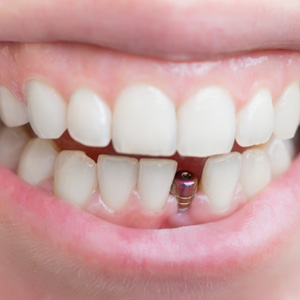
There are many different factors that contribute to the cost of dental implants. Here are some of the most notable ones.
- Number of Dental Implants: The number of teeth that you are missing and where they are located determine the number of dental implants that you need. The more implants, the higher the cost.
- Restoration: Dental crowns, bridges, and dentures are all at different price points. Generally speaking, the larger the restoration, the higher the cost.
- Materials: In most cases, dental implants are made from surgical titanium. However, they can also be made from zirconia in some situations.
- Brand: Just like other procedures, dental implants come from various manufacturers. This influences the cost.
How Dental Implants Can Save You Money
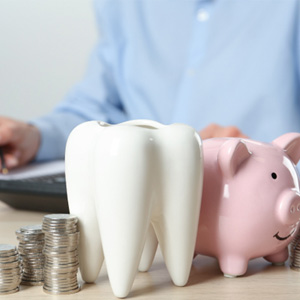
It can be tempting to save money by choosing a more affordable tooth replacement option, like dentures. Dentures are great for some people, but they don’t offer the same lifelong benefits that dental implants do. Dental implants can help you save money in the long run. This is because you will no longer need frequent repairs and replacements. You don’t need to stock up on adhesives or soaking solutions either. Dental implants help to prevent future dental issues, so you can avoid some costly restorative treatments down the road.
Does My Dental Insurance Cover Dental Implants?
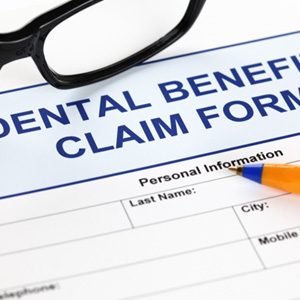
In most cases, the dental implants themselves are not covered by dental insurance. However, parts of the preliminary procedures and final restoration might be. At Riverside Dental Center, we are happy to process and file dental insurance claims to maximize coverage for our patients! If you have any questions about your specific plan, don’t hesitate to reach out.
Making Dental Implants Affordable

If you don’t have dental insurance, this doesn’t mean you are completely out of luck. We are happy to accept payments through CareCredit. This third-party financing company can split the cost of your treatment into manageable monthly installments with little to no interest. For more information, give us a call!
Maintaining & Caring for Your Dental Implants

Dental implants are built to last decades, but only if you take care of them. The good news is that caring for your implants isn't complicated. With a few consistent habits and regular visits to our Loves Park office, you can protect your investment and enjoy a healthy, complete smile for many, many years. Read more below to see what our team at Riverside Dental Center recommends for implant longevity.
Make Oral Hygiene a Priority

Dental implants can't get cavities, but the gums and jawbone surrounding them are still vulnerable to bacteria. Brushing twice a day, flossing before bedtime, and swishing with an antibacterial mouthwash keep plaque and bacteria from building up around the base of your restorations. If left untreated, this buildup can lead to a condition called peri-implantitis—an infection that's one of the leading causes of implant failure.
Eat a Healthy Diet

One of the biggest advantages of dental implants is restored bite strength—sometimes 70% or more. You can eat all your favorite foods, but you should still be strategic about it. Crisp fruits and vegetables, lean proteins, and calcium-rich foods all support the bone and gum tissue that anchor your implants.
On the other hand, sugary and acidic foods and drinks can erode these same structures over time. This means the best menu is one full of nutrient-dense foods that are good for your whole body, not just your smile.
Break Bad Habits
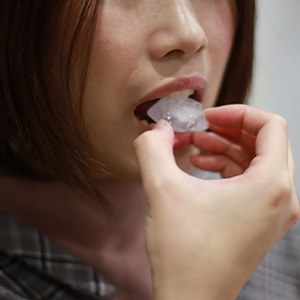
Just like the rest of your body, your teeth and implants can be overworked, and some habits can even shorten the lifespan of your enhancements. Chewing on ice, biting your fingernails, using your teeth as tools, and grinding or clenching are among the most common culprits. Smoking is another major risk factor. The chemicals in tobacco smoke and vape juice restrict blood flow to your gums and increase the chance of implant failure.
Protect Your Dental Implants

If you play hard, you need a mouthguard. Contact sports and recreational activities where falls and impacts to your face are possible are among the common causes of damaged implants. Even one unprotected accident can cause irreparable harm to your restoration or even the implant fixture itself. If you want the best protection, our team can fit you with a custom athletic mouthguard—it's far better than anything you'll find at a sporting goods store.
Schedule Regular Dental Checkups
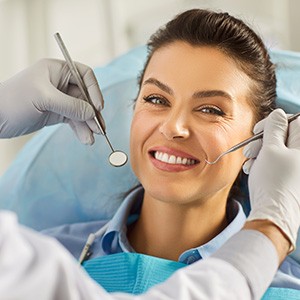
No home care routine is a substitute for professional maintenance. Routine checkups allow our team to perform checks and cleanings that can keep your smile sparkling and strong. We generally recommend visiting us twice a year, though some patients may benefit from more frequent visits depending on their oral health. Learn more about our preventive dentistry services and schedule your next appointment with our Loves Park team today.
Dental Implant Post-Op Instructions

You can expect to experience a mild recovery process after receiving dental implants, but knowing how to prepare for it can make it easy to manage. Here’s a quick look at how recovery after dental implant surgery works and how you can stay comfortable. However, please contact our office in Loves Park if you experience worsening discomfort or signs of infection. The team at Riverside Dental Center will be happy to help you keep your new teeth in great shape.
What to Do Directly After Dental Implant Surgery

The most important thing after receiving dental implant surgery is making sure the blood clot that forms over the treatment area stays in place while the tissue is healing. To prevent this clot from being ruptured, dislodged, or otherwise broken, stick to the following instructions:
- Do not spit
- Do not drink through straws
- Do not smoke for at least 24 hours after surgery
- Do not poke or probe at the surgical area with your tongue or fingers
Common Side Effects When Recovering from Dental Implant Placement
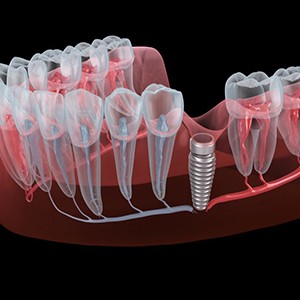
After receiving dental implant surgery, you can expect a few mild side effects that can last for several days. These include:
- Intermittent bleeding – Treat with gauze and light pressure.
- Swelling – You may be able to reduce this with a cold or warm compress.
- General discomfort – This can be reduced with over-the-counter pain medication.
Your Diet After Dental Implant Surgery

It’s best to stick to a soft, mild diet for a few days after receiving dental implants. A few excellent suggestions include:
- Mashed potatoes
- Ice cream
- Yogurt
- Pudding
- Pasta
- Scrambled eggs
- Soup that isn’t very hot
You can resume your normal eating habits as soon as you feel comfortable doing so, but it’s best to avoid chewing tough or crunchy foods over your dental implants.
Post-Op Health & Oral Hygiene
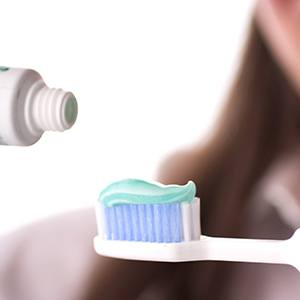
You can resume brushing and flossing normally the day after dental implant surgery, but it’s important to be especially careful when cleaning near the surgical sites. Take care to rinse your mouth twice or thrice daily using warm saltwater, preferably after meals. Use prescription mouthwash as instructed if you have it but avoid mouthwash products that are high in alcohol such as Scope and Listerine.
What to Do After Your New Teeth Are Attached

While you may experience some mild and temporary sensitivity in your gum tissue after your customized restoration is attached to your dental implant, this can be expected to go away on its own and should be easy to treat with over-the-counter pain medication. You should not experience any swelling or bleeding, so be prepared to start showing off your gorgeous new smile that same day.
I Need a Checkup & Cleaning I am Worried About Gum Disease I Need a Dentist for My Child I Have a Cavity or Broken Tooth I am Missing One or More Teeth I Want to Enhance My Smile I Want a Straighter Smile I am Scared of the Dentist I Have a Dental Emergency I Need Oral Surgery View Our Services