
If you’re preparing for dental implant treatment, you may notice your dentist using unfamiliar terms that sound more like technical jargon than everyday language. Understanding these basic dental implant terms can help you feel more confident, informed, and prepared throughout the process. Here’s a straightforward guide to some of the most common dental implant terminology you’re likely to hear.
What Is a Dental Implant?
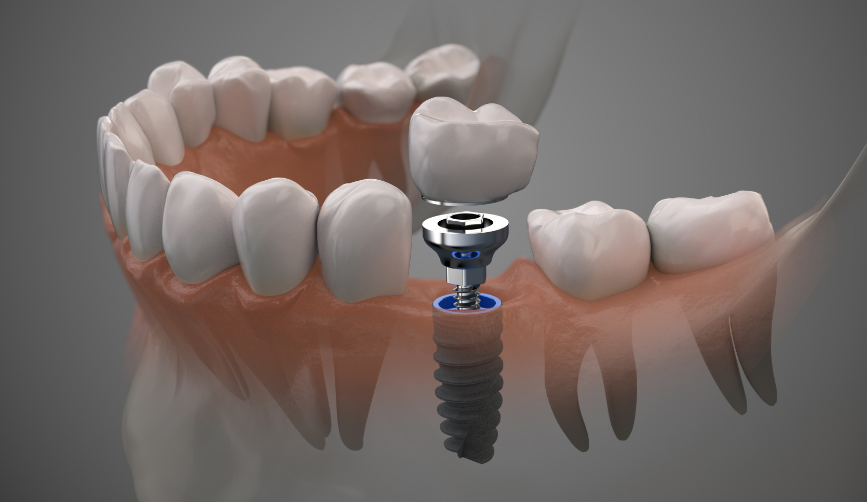
A dental implant is a permanent tooth replacement option designed to mimic the structure of a natural tooth. Rather than sitting on top of the gums, implants are placed into the jawbone, creating a stable foundation for a replacement tooth. Dental implants are often recommended when a tooth is missing or cannot be saved.
Implant Post
The implant post is the part of the implant that is surgically placed into the jawbone. It is typically made of titanium, a material that bonds well with bone. Over time, the implant post fuses with the jawbone, creating a strong and durable anchor for the replacement tooth.
Osseointegration
Osseointegration refers to the process by which the implant post fuses with the jawbone. This healing phase is critical to the success of dental implants and can take several months. Once osseointegration is complete, the implant is stable enough to support a crown or other restoration.
Abutment
The abutment is a small connector piece that attaches to the top of the implant post. It extends slightly above the gumline and serves as the attachment point for the final restoration. The abutment helps secure the replacement tooth in place.
Dental Crown
A dental crown is the visible portion of the implant that looks and functions like a natural tooth. Crowns are custom-made to match the color, size, and shape of surrounding teeth, allowing the implant to blend seamlessly into your smile.
Implant-Supported Restoration
An implant-supported restoration refers to any dental appliance held in place by implants. This can include a single crown, a bridge replacing multiple teeth, or a full arch of replacement teeth. Implant-supported restorations offer greater stability than removable options.
Bone Grafting
Bone grafting is a procedure that may be recommended if there is not enough healthy jawbone to support an implant. This process helps rebuild bone structure and improve the likelihood of long-term implant success. Not all patients require bone grafting.
All-on-4 Dental Implants
All-on-4 is a treatment approach that uses four strategically placed implants to support a full arch of replacement teeth. This option is often used for patients missing most or all of their teeth and may reduce the need for extensive bone grafting.
Mini Dental Implants
Mini dental implants are smaller in diameter than traditional implants. They may be used in certain cases where space is limited or when patients are not ideal candidates for standard implants. Mini implants can also be used to stabilize dentures.
Why Understanding Implant Terms Matters
Knowing these terms can help you better understand your treatment plan, ask informed questions, and feel more confident throughout the implant process. Dental implants are highly customizable, and understanding the language makes it easier to follow each step of your care.
Clear communication leads to better outcomes and a more comfortable experience overall.
About the Practice
Riverside Dental Center provides comprehensive implant dentistry with a focus on patient education and long-term oral health. Our advanced team of doctors specialize in personalized treatment plans, including traditional dental implants and advanced implant solutions, to help patients restore their smiles with confidence and clarity.
Call us at (815) 877-4300 or request an appointment online.